THE AI INTERVIEWER FOR HIRING TEAMS
Hi, I’m Lantern.
I interview your candidates.
I run live, adaptive interviews in 40+ languages against your interview criteria. Every assessment links to transcript evidence — so your team gets a ranked, reviewable view of every candidate.
Backed by Y Combinator

TRUSTED BY HIRING TEAMS AND ADMISSION OFFICES AT












CLIENT IMPACT
Results hiring teams can measure
Three teams, three different hiring problems — in their own words.
100%
consistent scoring, every candidate
“Lantern gave us a structured, consistent way to assess every candidate against the same criteria. That's been a real step forward for fairness — and it's made our hiring decisions much easier to defend internally.”
40%
faster time-to-shortlist
“Interviews now run the same way every time, across multiple languages. Our hiring managers finally compare like for like.”
3×
more candidates screened per week
“We screen high volumes every season. Lantern ran the first round at scale without losing the warmth candidates expect from our brand.”
01 — I INTERVIEW
A real conversation, not a questionnaire
I don’t read down a list. I listen, then ask what a good interviewer would ask next — at 11pm after a shift, in the language they think in.
↳ this interview: 14 minutes, 18 turns
↳ three of those turns weren’t in the script
- Lantern: Tell me about a time you turned an unhappy customer around.
- Candidate: A guest landed at 11pm and her room wasn’t ready. I put her in a suite and walked her up myself.
- Lantern: You made that call on your own — who else needed to know before the next shift?
- Candidate: I left a note for the duty manager. She picked it up when she came on at seven.
Every follow-up depends on the last answer
Every candidate gets the same opening question. Where it goes next is theirs — “Who else needed to know that suite had gone out before the next shift?” was on no script. The questions move; the criteria I score against never do.
02 — I SCORE
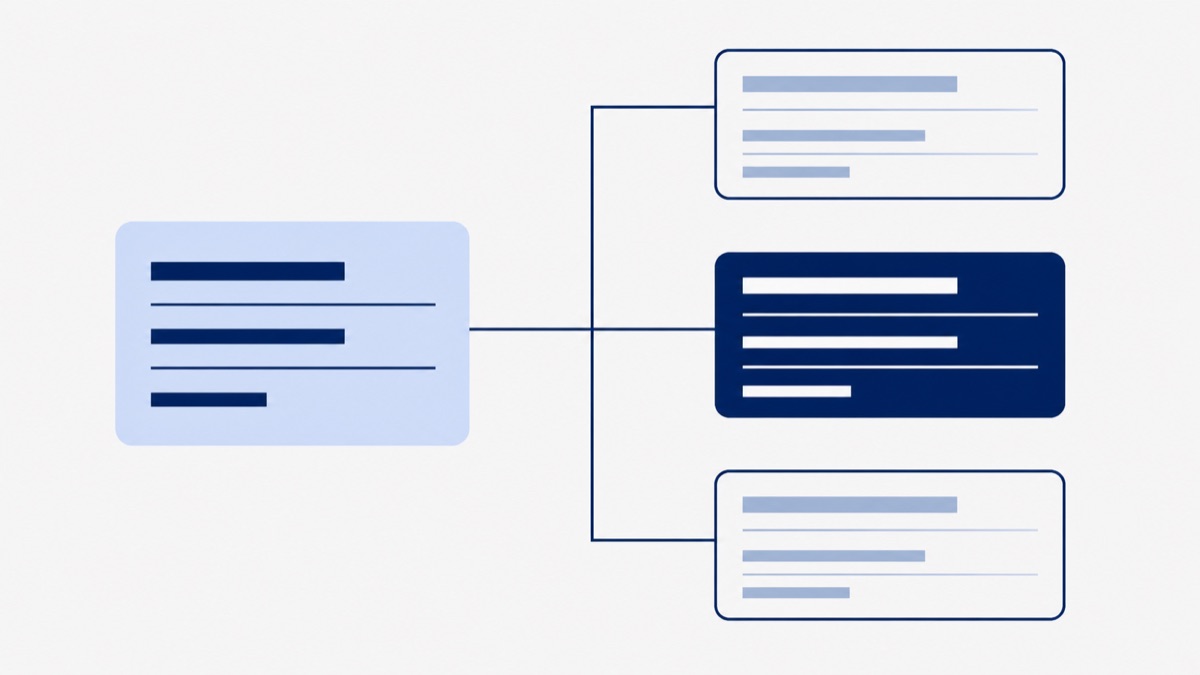
Every score should be challengeable.
Same criteria for every candidate, and every number links back to the moment in the transcript that earned it. Your team reads the evidence and decides who advances.
↳ click any score, see the answer behind it
↳ I never reject anyone — your team decides
03 — YOU SHORTLIST
You stay the decision-maker
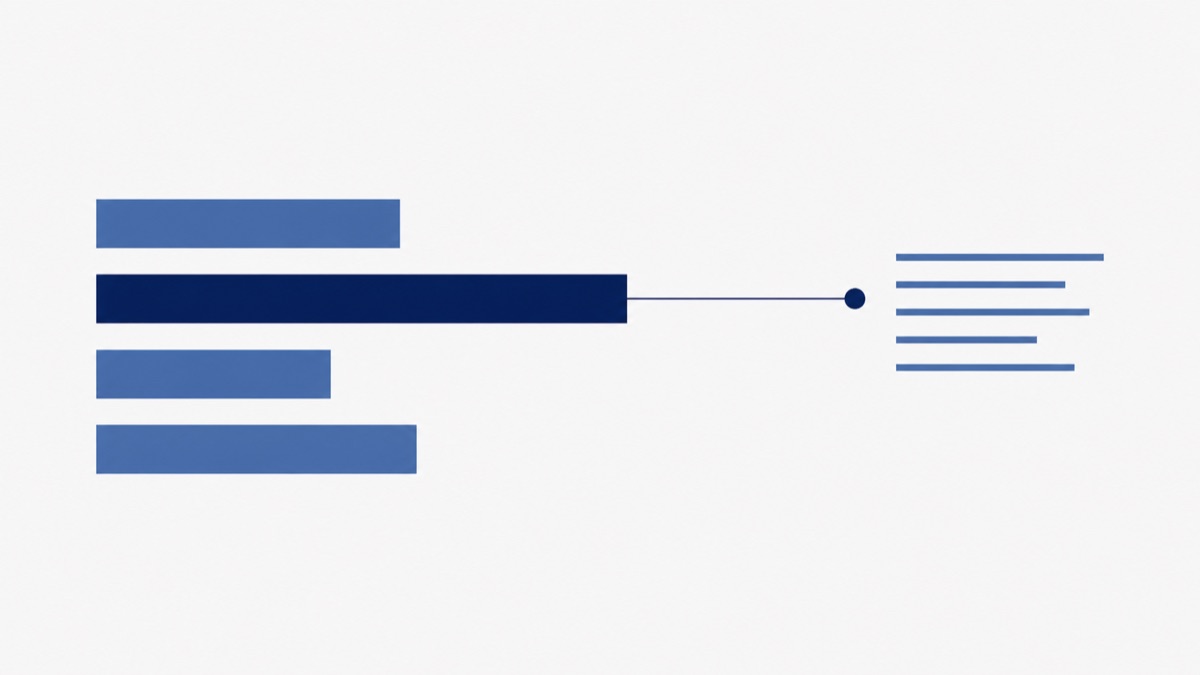
I never reject a candidate. By morning you have a ranked shortlist with the evidence behind every score — you read, you decide, you hire. I just did the 40 hours of calls it took to get there.
- 1
 9.1Advance
M. Chen
Led triage through a code-black shift; interviewed in Cantonese at 11pm.
- 2
 8.7Advance
A. Osei
Strong clinical judgment; asked to re-verify certification dates.
- 3
 8.1Review
J. Park
Good communication; limited acute-care exposure — flagged for review.
- 4
 7.4Review
R. Silva
Relevant experience, but availability conflicts with shift pattern.
INTEGRATIONS
I plug into your ATS in a day
Shortlists, transcripts and scores sync back into the tools your team already works in. Nothing to rip out, no second system to check, no one re-keying results at the end of the week.
- 30+ ATS & HRIS
- One-day setup
- Scores sync back automatically
















Not on the list? I also connect over open API, webhook or a scheduled export — most teams are live the same week.
100K+
interviews conducted
40+
languages and dialects
97%
candidate satisfaction
100%
consistent scoring
CANDIDATE EXPERIENCE
Loved by the people on the other side
97% of candidates finish satisfied with how it went. Real candidates, real interviews. Tap the speaker to hear them tell it, or read what the rest had to say.
“Felt like a real conversation, not a test.”
Jason Chencandidate
“I could do it on my own time — so much less stressful.”
Ashley Jamescandidate
“I actually got to show what I can do.”
Nicholas Crewscandidate
“Fast, fair, and I heard back quickly.”
Marcello Raphaelcandidate
“Way better than waiting weeks for a callback.”
Connor Woodscandidate
“Honestly the least stressful interview I've ever done. I could actually think instead of panicking about being judged in real time.”

“It adapted to my answers and asked smart follow-ups. Felt like a real conversation, not a form.”
“I interviewed at 11pm after my shift. No way I could've done that with a live panel.”

“Got feedback the same week. Most companies just ghost you.”
“English isn't my first language and I could do the whole thing in Cantonese. Huge.”

“No awkward small talk, no being judged on my accent in the first five seconds.”

“I actually got to show what I know instead of how nervous I was.”
“Rescheduling was one click. Compare that to emailing a recruiter five times.”
LANGUAGE SUPPORT
I interview in 40+ languages.
Not 40+ translations.
Candidates answer in the language they actually think in — the regional dialect they grew up speaking, the half-English shorthand their industry runs on. Nobody has to translate themselves first to be understood.
Olá, aqui é a Lantern.
PORTUGUÊS · PORTUGUESE
ACCENT
Native accents, never robotic translation. I speak each language the way it is actually spoken, rather than pushing English through a translation layer half a second late.
CODE-SWITCHING
I switch language mid-interview if they do. A candidate can open in their own language, drop into English for the technical part and come back. I follow, and nobody has to start over.
SCORING
Consistent, bias-checked scoring in every language. The same interview criteria in every language, with scoring monitored for language drift — so no one scores lower for interviewing in the language they think in.
Coverage includes regional dialects and code-switching variants — Quebec French, Gulf and Levantine Arabic, LatAm Spanish, Bahasa Indonesia. No language is a bolt-on translation layer: every one of them is spoken natively and scored against the same interview criteria.
04 — COMPLIANCE
Compliance isn’t a badge wall.
It’s how I’m built.
Hiring is a regulated act. I was designed for the strictest reading of the rules — audited, certified, and accountable to your legal team, not just your recruiters.
SOC 2 Type II
Independently audited controls, continuously — not a one-off checkbox.
ISO 27001
Information security management, certified end to end.
ISO 27018
Personal data in the cloud, handled to the strictest standard.
ISO 27701
Privacy information management, built into how data flows.
GDPR & CCPA
Candidate rights honored by default: access, deletion, portability.
EU AI Act
Classified, documented, and compliant as a high-risk AI system should be.
NIST AI RMF
Risk management aligned to the US federal AI framework.
EEO-aware scoring
Rubrics score evidence, not accents, names, or backgrounds.
Every score is traceable
Click any number and see the exact transcript moment behind it. No black-box verdicts.
Deepfake & AI-script detection
I flag synthetic video, cloned voices, and read-from-ChatGPT answers in real time.
Humans own the outcome
I never reject anyone. Negotiations, complaints, and edge cases escalate to your team.
Bias monitoring, continuously
Scoring drift across demographics is measured and reported — not assumed away.
Your data stays yours
Regional residency options, deletion SLAs, and zero training on your candidates.
Full audit trail
Every question, answer, and score — exportable for regulators and internal review.
Your security team will have questions. Good — we wrote 40 pages of answers before they asked.
Request the security packADMISSIONGUARD
I ask whether someone can do the job.
Admissions has to ask whether it’s really them.
When an institution screens thousands of applicants for a few hundred places, the threat model changes. The risk stops being a weak candidate and becomes proxy test-takers, AI-written essays and outright impersonation. So we extended me into a product built for exactly that — AdmissionGuard carries my interview into admissions and adds the proctoring that stakes like these demand.
AN EXTENSION OF LANTERN · BUILT FOR ADMISSIONS
Aptitude tests
Cognitive assessments watched in real time, sat inside a secure browser lockdown.
Written assessments
AI-proctored essays and subject papers, checked for generated text and plagiarism.
Video interviews
Structured interviews with behavioural analysis and ML anomaly detection.
The University of Hong Kong uses AdmissionGuard to screen 10,000+ applicants a year. It holds SOC 2 Type II, ISO 27001 and GDPR like I do — plus FERPA, the one that governs student records.
See AdmissionGuardFAQ — DILIGENCE
Questions your team will ask before they trust me
Diligence first — decisions, evidence, data, integrations, security. The questions about how the interview actually feels are further down. Here are my answers to both.
Do you make hiring decisions?
No. I interview, I score the evidence against your interview criteria, and by morning your team has a ranked shortlist with the evidence behind every score — your team reads it, decides, and hires. I never reject anyone; that was never my call to make. Every hiring outcome belongs to a human on your side.
How can the interview adapt if the assessment has to stay consistent?
Two different things are moving. The questions adapt: I listen to each answer and ask the follow-up a good interviewer would ask next, so the same question with three different answers leads to three different follow-ups, depending on what each answer left open — whether anyone else was told, what the candidate would have done alone, what the fix actually cost. What I score against does not move: the same interview criteria, every candidate, every time. That is the 100% consistent scoring figure — no good-mood interviews, no Friday-afternoon interviews.
What evidence sits behind each score?
Every score links back to the exact moment in the transcript that earned it. Click any number and you see the evidence — a specific answer, at a specific timestamp — instead of a verdict. There are no black-box scores anywhere in the product, and every question, answer and score is exportable, so your team, a works council or a regulator can read the whole record rather than a summary of it.
How do you hold scoring steady across 40+ languages?
I interview in 40+ languages and dialects, spoken natively rather than English pushed through a translation layer half a second late — regional variants included, from Quebec French to Gulf and Levantine Arabic and LatAm Spanish. The same interview criteria apply in all of them, and scoring is monitored for language drift so nobody scores lower for interviewing in the language they think in. Candidates can code-switch mid-interview — open in one language, drop into English for the technical part, come back — and I follow without anyone starting over.
What candidate data is recorded, and what happens to it?
Every question, answer and score is on the record, with the evidence tying one to the other, and all of it is exportable in full for regulators, works councils and internal review. Regional data-residency options and deletion SLAs are available, and your candidates are never used to train models. Candidate rights under GDPR and CCPA are honored by default: access, deletion, portability. Specific regions and retention windows are not published on a marketing page — they are in the trust centre at trust.lantern.md.
How are candidates notified, and how are accommodations handled?
Outcomes are your team's to communicate. I never reject anyone, so I am never the one delivering that news. The interview itself is available 24/7, there is no back-and-forth to book it, and rescheduling is one tap with no apology required. Accommodation requests are not mine to decide either: they escalate to your team with the full transcript and my reasoning attached. Any candidate who felt something was off can write to support@ourlanterns.com, where a human on my team reads it.
How are integrity flags reviewed?
I detect deepfakes and synthetic video, cloned voices, and AI-generated scripts in real time, while the interview is still happening. A flag is never an auto-rejection: the interview goes to your team with the evidence attached, and a human makes the call. Same rule as everywhere else — I surface what I found, your team decides what it means.
Which integrations are native, and which run over API or export?
I plug into 30+ ATS and HRIS systems — the full list of named systems is in the integrations section above — and anything outside that list connects over open API, webhook or a scheduled export, with most teams live the same week. Either way, shortlists, transcripts and scores sync back into the tools your team already works in. I do not publish a per-system breakdown of which route each one takes; ask my team and they will confirm it against your actual stack before anything is signed.
What does implementation require from our team?
On the systems side, about a day: I plug into your ATS, and shortlists, transcripts and scores sync back automatically — nothing to rip out, no second system to check, no one re-keying results at the end of the week. If you connect over open API, webhook or a scheduled export instead, most teams are live the same week. You can start with one live role: bring an open role and my team will show you how I would run the interview, explain every assessment, fit into your ATS, and support your security review.
What will our security review involve?
Start with what is certified: SOC 2 Type II, ISO 27001, ISO 27018 and ISO 27701, all independently audited. GDPR and CCPA candidate rights — access, deletion, portability — are honored by default, and risk management is aligned to the NIST AI RMF. One question comes up before any of the paperwork: is an AI interviewer even allowed under the EU AI Act? Yes — when it is built and documented to be. Hiring is high-risk AI under the Act, and I am classified, documented and logged as high-risk rather than argued around it, with a full audit trail your reviewers can export. There is a plain-language explanation of scoring, bias monitoring and human oversight at ourlanterns.com/ai-explainability, DPA and subprocessor documentation on request from team@ourlanterns.com, and a security pack for the rest — we wrote 40 pages of answers before anyone asked.
Will it feel like talking to a robot?
97% of candidates finish satisfied with how the interview went. I listen to the answer before I ask the next question, so what comes next follows from what was just said, not from the next line of a script. Candidates consistently describe it as less stressful than a live panel.
Is it fair, or does it just automate old bias?
I score against EEO-aware rubrics that read evidence, not accents, names, or where someone went to school. Because every score traces to the moment in the transcript that earned it, any decision can be audited line by line rather than taken on trust. Scoring drift across demographic groups is measured and reported continuously, and drift gets flagged rather than absorbed.
Will hourly applicants actually finish a voice interview?
They already do — at 11pm after a shift, on their phone, in the language they think in. I am available 24/7, there is no back-and-forth to book me, and rescheduling is one tap, so the interview never has to wait for a weekday slot and a quiet office. 97% of candidates finish satisfied with how it went.
How do we check your scoring instead of trusting it?
I would not ask you to take that on faith. The same interview criteria are applied to every candidate and every assessment links to the transcript evidence behind it, so your team can check any score against what was actually said instead of trusting a number. Gammon Construction reached shortlist 40% faster and screened thousands of applicants without adding headcount. What happens after the shortlist is still your team's judgment, not mine.
What happens when you're not sure about someone?
Uncertainty is an escalation, not a quiet downgrade. A borderline answer, a complaint, a negotiation, anything your interview criteria do not cleanly cover — it goes to your team with the full transcript and my reasoning attached. A borderline candidate becomes a human decision, not a silent no.
We're an admissions office, not a hiring team. Does this work for us?
Institutions are already on the list above. Admissions changes the threat model more than it changes the workflow — the question stops being whether someone can do the job and becomes whether it is really them sitting there. That is why my team built AdmissionGuard: proctored aptitude tests and written assessments alongside the interview, carrying SOC 2 Type II, ISO 27001 and GDPR like I do — plus FERPA, the one that governs student records.